

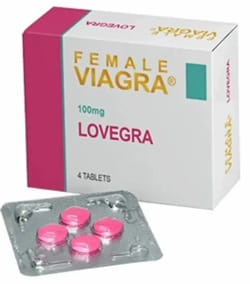
Buy Female Viagra Online: Best Prices and Fast Shipping
Effective Options for Managing Low Libido
Medical Interventions and FDA Approvals
Trying to sort out hormonal health often feels like walking through a thick fog without a compass. For women dealing with Hypoactive Sexual Desire Disorder (HSDD), the FDA has cleared a path forward with specific medications. These aren’t magic pills that spark instant passion. Instead, they function as tools to address the biological roots of desire.
Addyi is a notable option in this category. It works by interacting with brain neurotransmitters to help regulate sexual drive, much like tuning a radio to find a clear signal amidst the static. Patients typically take it once daily, but you must work closely with a healthcare professional to monitor safety.
Veledap offers a different approach by targeting specific receptors in the nervous system. While Addyi acts more like a slow-acting regulator, other treatments focus on immediate neurochemical responses. It is important to remember that these medications aren’t intended for casual use to boost performance.
Deciding between these paths isn’t a one-size-fits-all situation. Your doctor will likely weigh the pros and cons based on your medical history and daily life. It is a delicate balance between biological necessity and personal comfort, requiring patience as you search for the right rhythm in your intimate life.
Lifestyle Adjustments and Holistic Approaches
Sometimes, the answer isn’t found in a pharmacy bottle but in the quiet moments of a daily routine. Stress is the ultimate mood killer. It sits on you like a heavy blanket that smothers natural desire. When your mind is racing with work deadlines or household chores, intimacy often takes a backseat to survival.
Prioritizing sleep and nutrition can provide a foundation for hormonal balance. Think of your body as a high-performance engine. If you provide it with subpar fuel and no rest, it simply won’t run as intended. Small changes, like a consistent bedtime or regular physical activity, can yield significant dividends over time.
Mindfulness and psychological support also play a massive role in reclaiming your libido. Many women find that sex therapy helps peel back the layers of anxiety or past trauma that might be blocking their connection. It is about addressing the mental state as much as the physical one to find true balance.
Consider these lifestyle adjustments to see how they impact your energy levels:
- Consistent Exercise: Boosts blood flow and releases endorphins.
- Stress Management: Meditation or yoga to lower cortisol levels.
- Nutrition: Focusing on micronutrients that support hormonal health.
- Sleep Hygiene: Ensuring seven to nine hours of restorative rest.
Comparing Treatment Modalities
If you are standing at a crossroads, it helps to see the options laid out clearly. Different approaches offer varying levels of intensity and commitment. Some women prefer the directness of medication, while others find more success through gradual, holistic shifts in their overall wellness and mental state.
The following table provides a snapshot of how various options generally compare in terms of approach and focus. Keep in mind that these are broad categories. Individual experiences will vary wildly depending on the underlying cause of the low libido.
| Method | Primary Focus | Typical Timeline |
| Prescription Medication | Neurochemical balance | Weeks to months |
| Hormone Therapy | Hormonal equilibrium | Varies by type |
| Therapy/Counseling | Psychological barriers | Months of sessions |
| Lifestyle Changes | General wellness | Ongoing commitment |
Cost is often a significant factor when exploring these paths. While some lifestyle changes are essentially free, medical interventions can come with a hefty price tag. For example, a consultation might cost $150, while monthly prescriptions can range from $40 to $100 or much more depending on insurance coverage.
Don’t let the fear of expense prevent you from starting the conversation with a professional. Investing in your sexual health is an investment in your overall quality of life. After all, intimacy is a vital thread in the fabric of human connection and personal well-being.
Prescription Costs and Pricing Structures
Navigating the financial side of sexual wellness can feel like walking through a dense fog. You might find yourself staring at a pharmacy bill that looks more like a mortgage payment than a prescription. It is a common frustration for many women trying to reclaim their intimacy.
The reality is that price tags often fluctuate based on your location and provider. Some specialized clinics charge a premium for the convenience of a telehealth appointment. Others might offer more traditional, lower-cost options if you use a local brick-and-mortar pharmacy. It is a bit of a moving target.
Insurance coverage remains the biggest wild card in this equation. Many plans view these medications as “lifestyle” drugs rather than essential medicine. This distinction can leave you footing the entire bill out of pocket, which can be quite a bitter pill to swallow during an already stressful time.
Understanding the Price Breakdown
When you sit down with your doctor, it is wise to ask about generic alternatives. While brand-name drugs offer a sense of familiarity, they often come with a heavy markup. Generic versions, when available, can act as a significant lifeline for your monthly budget without sacrificing quality.
Telehealth services have changed the game by providing a more streamlined way to access care. These platforms often bundle the consultation fee with the medication itself. While this can be more expensive upfront, it removes the hidden costs of traveling to a specialist’s office and waiting in long clinics.
You might also encounter different pricing tiers based on the quantity of pills you receive. Buying a three-month supply often feels like a smarter move for the wallet. It reduces the frequency of shipping fees and keeps the cost per dose at a much more manageable level.
The following table outlines how different procurement methods and quantities can impact your overall spending:
| Option Type | Quantity/Term | Estimated Cost |
| Standard Prescription | 30-Day Supply | $45 |
| Specialized Telehealth | 90-Day Supply | $280 |
| Brand Name (Premium) | 30-Day Supply | $150 |
| Consultation Fee Only | Single Visit | $95 |
Managing Your Medical Expenses
Don’t be afraid to haggle or ask for a discount through manufacturer programs. Many pharmaceutical companies offer assistance programs for those who find the retail price prohibitive. It is a bit of a scavenger hunt, but it can save you hundreds of dollars over the course of a year.
Comparison shopping is your best friend in this scenario. A quick call to your local pharmacist can reveal significant differences in price between different chains. It is often worth the ten-minute phone call to ensure you aren’t overpaying for the same exact bottle of medication.
Finally, consider the long-term view of your healthcare spending. If a medication requires daily use, the cumulative cost can add up like snow falling on a mountain. Planning your budget around these recurring costs is essential for maintaining consistency and achieving the best possible results for your health.
Where to Buy and Delivery Logistics
Finding a reliable source for your medication can feel like searching for a needle in a haystack. You might worry about the legitimacy of a website or whether your package will show up at your doorstep. It is a delicate dance of trust between you and the provider.
The landscape of modern pharmacy has shifted toward digital storefronts. Many women now prefer the discretion of a doorstep delivery over the awkwardness of standing in line at a local drug store. This shift offers a certain level of privacy that is often hard to find elsewhere.
However, convenience often comes with its own set of logistical hurdles. You have to consider shipping times, tracking capabilities, and the security of your personal data. It is vital to ensure that the platform you choose is not just fast, but also fundamentally secure and legal.
When weighing your options, keep a few key factors in mind to ensure a smooth experience:
- Discreet Packaging: Look for vendors that ship in plain, unbranded boxes to protect your privacy from nosey neighbors.
- Real-Time Tracking: Ensure the provider offers detailed updates so you aren’t left wondering if your package is lost in the mail.
- Verified Pharmacy Status: Always check for accreditation to ensure you aren’t accidentally ordering from a “fly-by-night” operation.
Navigating Online Retailers and Pharmacies
Stepping into the world of online pharmacies can feel like walking into a high-stakes game of chance. Some websites look incredibly professional, boasting polished interfaces and rapid delivery promises. Yet, behind a sleek design, the actual service might be a different story altogether.
I once spoke with a woman who ordered her prescription from a site that promised overnight shipping. Instead, her package arrived three weeks late in a box that clearly listed the contents. It was a stressful ordeal that highlighted the importance of reading third-party reviews before hitting that “buy” button.
Telehealth-integrated pharmacies are generally the safest bet for most people. These services link your medical consultation directly to the fulfillment center. This creates a loop where your doctor’s orders flow straight to the pharmacist, minimizing the risk of manual errors or lost paperwork.
If you decide to use a traditional brick-and-mortar pharmacy, you might find the process more predictable. There is a certain comfort in seeing a familiar face behind the counter. However, you must ensure they have your digital prescription on file to avoid any unnecessary delays.
The following table provides a quick comparison of common delivery methods and their typical characteristics:
| Method | Typical Delivery Time | Privacy Level | Estimated Shipping Cost |
| Direct-to-Consumer (Telehealth) | 3-7 Business Days | High (Discreet) | $0 – $15 |
| Local Retail Pharmacy | Same Day / Pickup | Low (Public) | $0 |
| Mail-Order Pharmacy (Insurance) | 5-10 Business Days | Medium | $5 – $10 |
Securing Your Privacy and Shipments
Privacy is the cornerstone of sexual wellness logistics. Many users feel a sense of anxiety regarding who might see their medication when it arrives. It is not just about the package, but about the digital footprint left behind during the checkout process.
When shopping online, look for sites that use encrypted payment gateways. Using a credit card is often safer than using a debit card because it offers stronger consumer protections. Think of it as a digital shield for your financial and personal information.
If you live with family or roommates, you might want to request a “hold for pickup” at a local shipping center. This allows you to collect your package on your own terms, ensuring no one else sees the delivery notification on the kitchen counter.
Finally, always verify the “delivery window” provided by the vendor. Some companies use “estimated” dates that are far more optimistic than reality. It is better to expect a delay and be pleasantly surprised than to be left waiting for a package that never arrives.
Dosage Protocols and Usage Scenarios
Tailoring Your Treatment Approach
Taking medication for sexual dysfunction isn’t a one-size-fits-all endeavor. It is much like finding the perfect pair of jeans; what works for your neighbor might leave you feeling completely uncomfortable. Because every woman’s hormonal landscape is a unique ecosystem, the way you approach your dosage is vital for success.
Most clinical protocols suggest starting with the lowest possible dose to gauge how your body reacts. You might feel a sudden surge of energy or perhaps a slight headache. Think of it as testing the waters before diving headfirst into a deep swimming pool. Always follow the specific instructions provided by your healthcare provider.
Timing is another critical piece of the puzzle. Some treatments require you to take them on an empty stomach to ensure rapid absorption. Others might work better if taken with a light snack. If you miss a dose, don’t try to double up; that’s a recipe for a very unpleasant evening.
Consistency is often the secret sauce. While some people use these medications only when the mood strikes, others find that a regular schedule helps stabilize their physiological response. It is essential to track how your body responds over several weeks to find your personal “sweet spot.”
Common Scenarios and Practical Applications
Life is rarely predictable, and your libido often follows suit. You might find that stress at work acts like a heavy blanket, smothering any natural desire. In these moments, medication acts as a spark to reignite the flame when the wood is damp and difficult to light.
Some women find that their desire fluctuates based on their menstrual cycle. During certain phases, you might feel like a lioness, while other weeks leave you feeling completely disconnected. Using medication during these specific windows can help bridge the gap between physical sensation and mental engagement.
There is also the “anticipation” factor to consider. Some users find that taking their dose about an hour before intimacy allows the psychological benefits to catch up with the physiological ones. It creates a sense of readiness, helping your brain signal to your body that it is time to relax.
I remember a client who struggled with “performance anxiety” regarding her own intimacy. She felt she had to be “on” all the time. For her, the medication wasn’t just about physical arousal; it was about removing the mental barrier that kept her stuck in her own head.
Navigating Costs and Frequency
Budgeting for sexual wellness is a practical necessity. Depending on the specific medication and the frequency of use, your monthly expenses can vary wildly. It is wise to plan ahead so that a sudden need doesn’t cause a pinch in your wallet during an already stressful week.
The following table outlines common usage patterns and their approximate monthly financial impact, assuming a standard prescription cost:
| Usage Pattern | Frequency | Estimated Monthly Cost | Best For… |
| Occasional Use | 1-2 times per month | $25 – $50 | Spontaneous encounters |
| Regular Maintenance | Weekly | $100 – $180 | Consistent libido issues |
| High Frequency | Daily / Near-Daily | $250+ | Severe dysfunction |
Keep in mind that these are mere estimates. Bulk ordering or long-term prescriptions can often drive the price down significantly. Always look for “subscription discounts” which many reputable online pharmacies offer to their loyal customers to help keep the costs manageable over time.
If you find yourself needing a higher frequency than originally prescribed, do not simply order more. This is a signal to have a follow-up conversation with your doctor. They may need to adjust your dosage or investigate if there is an underlying medical issue at play.
Comparing Top Treatment Alternatives
Choosing a path toward reclaiming your intimacy is a deeply personal journey. There is no single solution when it comes to sexual wellness. What works like a charm for one woman might feel like a total dud for another. It is a bit like choosing the right pair of shoes; comfort and fit are everything.
Some women prefer a “quick fix” approach that targets the physiological response directly. These options are often designed to be taken right before you intend to engage in intimacy. They aim to turn up the volume on physical sensation, acting as a sudden lightning bolt to a dormant system.
Others find that a more holistic, long-term approach serves them better. Instead of waiting for a specific moment, these methods focus on stabilizing your natural hormonal or neurotransmitter levels. It is more about tending to the garden so that flowers bloom naturally, rather than using artificial fertilizers.
You might also encounter topical treatments that bypass the digestive system entirely. These creams or rings aim to increase blood flow to specific areas. They are less about the “brain-body connection” and more about localized sensitivity, making them a popular choice for those who want something less systemic.
Hormonal and Non-Hormonal Pathways
Hormonal therapies often focus on replenishing what might have been lost during menopause or due to other biological shifts. For many, this feels like finally getting a decent night’s sleep after years of insomnia. It addresses the root cause of many libido shifts by balancing the body’s internal chemistry.
On the other side of the coin, non-hormonal options work on the neurotransmitters in your brain. They target the “reward” chemicals that signal pleasure. This is less about your hormones and more about how your brain interprets arousal, making it a powerful tool for many different types of dysfunction.
I once spoke with a woman who had tried everything under the sun. She found that hormone replacement was a complete game-changer. For her, it wasn’t about a sudden spark, but rather a slow, steady rebuilding of her natural desire that felt much more authentic and sustainable.
However, non-hormonal paths are often preferred by those wary of systemic changes. They can offer a more targeted way to nudge the brain’s response without altering your entire endocrine profile. It is a delicate dance between biology and psychology that requires careful, professional guidance.
Topical vs. Oral Options
Oral medications are the heavy hitters in the world of sexual wellness. They enter the bloodstream and work throughout the body to prepare you for intimacy. While highly effective, they do come with the baggage of potential systemic side effects like headaches or nausea.
Topical treatments, such as specialized creams or gels, are much more localized. They are designed to bring more blood to the surface of the skin in sensitive areas. This can increase sensitivity and make the physical act much more rewarding without affecting your whole body.
The choice often boils down to your specific symptoms. If your struggle is primarily one of physical sensation, a topical cream might be your best friend. If the issue feels more mental or widespread, an oral medication might be the key to unlocking that door.
Consider the convenience factor as well. A pill can be tucked away in a nightstand, whereas a cream might require a bit more preparation. Both have their place in a well-stocked toolkit, and many women find success using a combination of both strategies together.
Quick Comparison of Common Methods
To help you weigh your options, I have put together a quick breakdown of how these common approaches tend to perform in real-world scenarios. Remember, this is just a snapshot of the landscape, not a medical prescription for your specific needs.
| Method | Primary Focus | Ease of Use | Commonly Reported Benefit |
| Oral Pills | Systemic/Brain | High | Increased overall libido |
| Topical Creams | Local Sensation | Moderate | Increased sensitivity |
| Hormone Therapy | Biological Balance | Low (Requires Rx) | Long-term stability |
When you are looking at these options, don’t be afraid to ask your doctor “What if?” What if this one doesn’t work? What if I want to try something different in six months? Being an active participant in your treatment plan is the best way to find success.
Ultimately, the “best” treatment is the one that makes you feel most empowered and comfortable in your own skin. Do not settle for a solution that leaves you feeling disconnected or uneasy. The goal is to enhance your life, not add another chore to your busy schedule.